Biochar for Animal Agriculture

Home / Applications / Biochar for Animal Agriculture
A low-angle view across poultry bedding inside a production house. Biochar can be mixed into bedding to help absorb moisture and manage ammonia.

Biochar for Animal Agriculture

Stronger systems for animals, facilities, and land

Raising animals means managing what comes with them. Wet bedding. Odor. Nutrients that disappear before you ever get them back to the field. One bad stretch of weather and a clean barn turns into a constant fight.

Biochar helps where the work actually happens. It can be mixed into bedding, used in manure handling, and carried through compost or field return. The goal isn’t to add another product to the pile. It’s to make the whole loop run cleaner — in the barn, at the storage site, and in the field.

Where Biochar Helps Most in Agriculture

Bedding Systems

Bedding Systems

Bedding stays drier for longer stretches. Moisture buildup slows down. Footing improves, odors are easier to manage, and full change-outs are needed less often during wet periods.

Manure Management

Manure Management

Nitrogen is held in place before it volatilizes or washes away. Stored material keeps more of its value and remains easier to handle over time.
Odor & Emissions Control

Odor & Emissions Control

Captures compounds that cause strong smells early in the process. Air stays cleaner inside facilities and around storage areas.

Filtration & Runoff Control

Filtration & Runoff Control

In high-flow areas, biochar acts as a buffer layer. Nutrient movement slows before reaching ditches, ponds, or surface water.

Groundwater Protection

Groundwater Protection

Leachate is reduced. Nutrients and contaminants stay closer to their point of origin instead of migrating through the profile. Drainage stays cleaner as a result.

Field Return & Soil Health

Field Return & Soil Health

Once manure or compost is applied, biochar continues working in the soil. Nutrients remain available longer. Soil structure improves gradually rather than all at once.

Animal and Worker Health

Animal and Worker Health

Biochar absorbs urine and urea. Breakdown happens earlier in the cycle. Ammonia and hydrogen sulfide development is reduced, along with other volatile compounds that affect air quality. Bedding stays drier. Barns and coops stay healthier for animals and people.

Bedding is where problems start

Bedding is often the first place stress shows up in an animal system. Moisture from urine and manure accumulates quickly. Confined housing and wet weather make that worse.

When bedding stays wet, ammonia and other odors increase. Animal comfort drops. The risk of more serious issues rises at the same time.

Odor and air quality also carry regulatory and neighbor-facing implications. Excess moisture accelerates ammonia release. Complaints and compliance pressure tend to follow.

Biochar interrupts that sequence early. Moisture is absorbed sooner. Odor-forming compounds are bound before conditions escalate.

How biochar works in bedding systems

Bedded-pack, deep-litter, and sand systems each use biochar a bit differently. But no matter which system you have, wherever there is moisture and odor biochar can help. Unlike materials that break down or compact quickly, biochar maintains its structure. Mixed into bedding, it absorbs liquid while still allowing airflow. That helps keep surfaces drier, reduces the frequency of full bedding replacement, and creates a healthier environment for animals and workers.

Because biochar binds nutrients rather than letting them volatilize, bedding doesn’t just last longer — it becomes a higher-value input once it leaves the barn. What starts as a comfort and odor solution becomes part of a better manure management system downstream.

Manure management without constant losses

Once manure is collected, the next challenge is holding onto its value. Nitrogen loss through volatilization is common, especially during storage. Odor increases. Material becomes harder to handle. Biochar helps stabilize manure by binding nutrients early, reducing emissions and reducing leachate. That stabilization matters operationally. Manure that behaves more consistently is easier to move, compost, or apply.

From storage to land, fewer problems follow

When manure or compost containing biochar is applied to fields, the benefits continue. Nutrients are released more gradually. Soil structure improves. Water moves through the profile more evenly. This reduces runoff risks to surface water and groundwater. Instead of solving problems one step at a time, biochar helps animal operations build systems that hold together from the barn to the land.

Improving animal systems from the barn outward

Animal agriculture doesn’t struggle because of one weak link. It struggles when moisture, waste, and nutrients overwhelm the system. Biochar helps reinforce the system against pressure points, starting where animals live and extending outward to land and water.

What Farmers and Growers Can Expect

How biochar supports different animal systems

Biochar is used differently by species and by facility design. The goal stays the same: better control over moisture. Better control over nutrients. Fewer downstream impacts. Animal health follows.

Poultry & Swine Operations

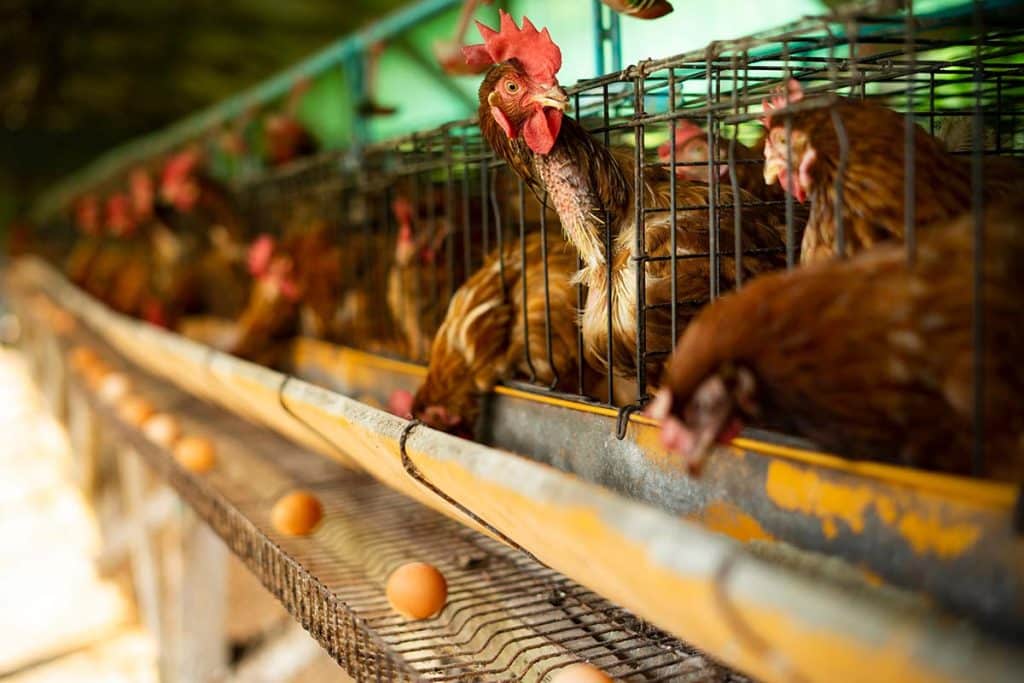
In poultry and swine barns, bedding conditions can turn fast. High stocking density means moisture builds almost immediately, especially when ventilation is limited or weather keeps buildings closed up. Once bedding becomes damp, ammonia and hydrogen sulfide build up, causing odors to linger and working conditions inside the facility to deteriorate quickly.

Biochar is often added directly into bedding to interrupt that cycle early. It absorbs moisture near the surface, where conditions deteriorate first. It also binds some of the compounds that contribute to strong odor.

With less moisture sitting in the pack, ammonia tends to build more slowly. Bedding holds together better, and barns are easier to manage through long stretches of production.

As bedding is removed, biochar continues to play a role. Manure tends to hold together better through storage and handling. Cleanouts, transport, and land application are easier to plan, particularly during weather swings or periods when regulatory scrutiny is higher

Dairy Operations

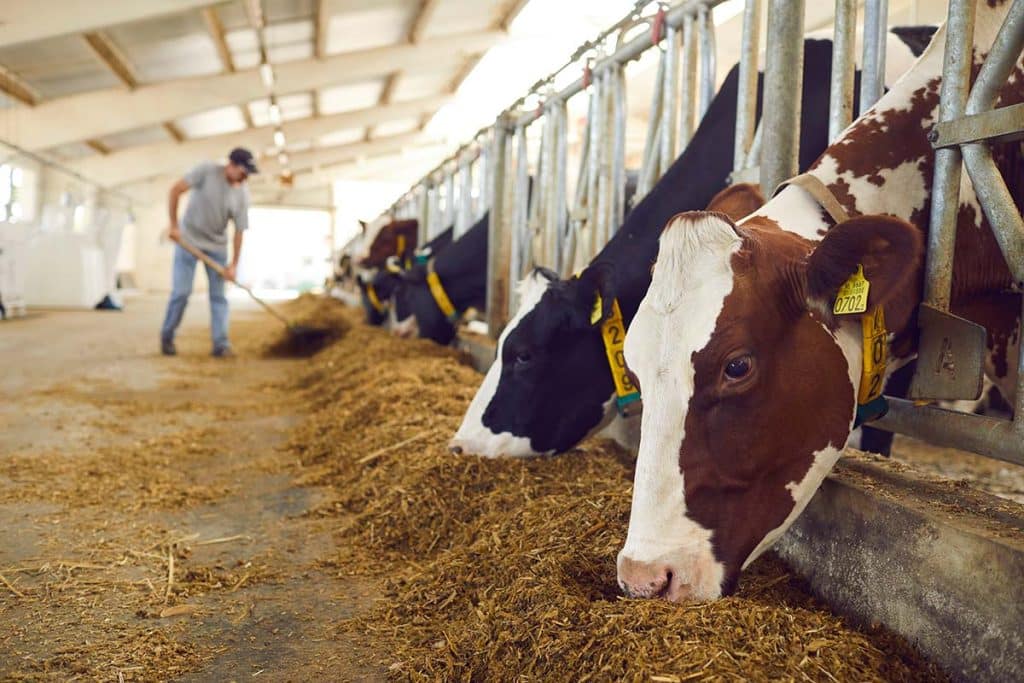
Dairy systems put steady pressure on bedding. When stalls stay wet, cows spend less time resting and more time shifting around. Barns take on that sharp smell faster, and crews end up chasing it with extra labor. Replacing bedding more often can help, but it gets expensive quickly.

Biochar can be worked into bedding as a simple upgrade. It pulls moisture out of the surface layer and helps reduce the odor compounds that build when bedding stays damp. Stalls tend to stay usable longer, which can cut down on how often they need to be refreshed.

The payoff continues after cleanout. During storage, biochar helps keep more nutrients in the manure and keeps odor from ramping up as quickly. When that material goes back onto fields, nutrients are less prone to immediate loss. That matters in dairy regions where land and water sit close together, and runoff becomes everyone’s problem.

Beef & Grazing Systems

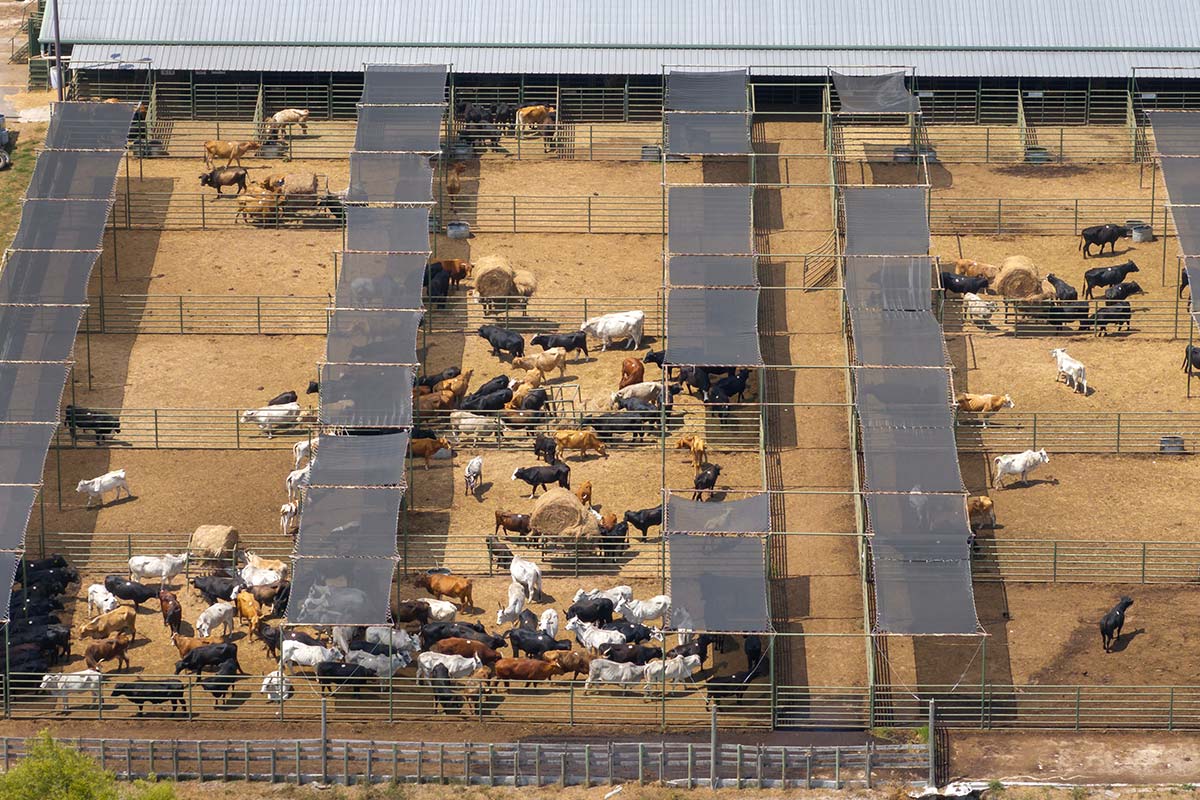
In beef operations, biochar is often used where animals concentrate. This includes feeding areas, wintering pads, and confinement zones.

These locations see heavy traffic and compaction. Nutrients build up quickly. Biochar absorbs moisture and helps reduce nutrient loss before material is moved or composted.

When material is returned to pasture or cropland, biochar continues working in the soil. Structure improves. Water moves through the profile more evenly. Recovery after animal pressure is faster.

Grazing systems stay productive. Erosion pressure drops. Nutrient migration beyond the field edge is reduced.

Aquaculture & Fish Systems

Aquaculture has a different pressure point: water quality. When nutrients and organic material build up, systems get harder to keep stable.

Biochar can be used as a filtration media to capture part of that load before it accumulates. Water stays cleaner. Conditions stay more consistent.

In some systems, captured material can be recovered and used as a soil amendment. Nutrients stay in circulation instead of leaving as waste.
From problem to specification, not just product

Animal agriculture doesn’t need generic biochar. Bedding, manure, filtration, and runoff are all different challenges, and the material used to address them needs to match those conditions.

Standard Biocarbon addresses your problems head on. Biochar is manufactured to specific performance characteristics depending on how it will be used — moisture absorption, nutrient retention, particle size, and durability all matter. Rather than offering a one-size-fits-all product, Standard Biocarbon focuses on producing a fit-for-purpose material that performs consistently in real operating environments. The choice of feedstock, processing temperature, ‘residency time’ and particle size all yield biocarbon with significantly different capabilities and characteristics.

Production happens at a state-of-the-art facility in Maine, where feedstock control and processing conditions are tightly managed. That consistency allows animal operations to specify and apply biochar with confidence, knowing it will behave the same way across bedding systems, storage, filtration zones, and field return.

The result is not just a material, but a reliable component in a larger system — one that supports animals, facilities, land, and water together.

Ready to improve your animal systems? Click here to start the conversation

Let’s talk about your operation

Animal agriculture doesn’t have a single pressure point. Bedding, manure handling, runoff, and water quality all interact, and small issues can become persistent problems if systems aren’t designed to absorb change.

A conversation with Standard Biocarbon starts with understanding where those pressures show up in your operation. From there, we can talk through how biochar is specified, produced, and applied to fit your conditions — not as a generic input, but as part of a system that holds together over time.

Name