Biochar for Filtration

Home / Applications / Biochar for Filtration

Biochar as an Engineered Filtration Media

Better soils, stronger plantings, fewer callbacks

Filtration systems are judged by what slips through. A small change in media structure or chemistry can show up later as missed targets for copper, zinc, nutrients, or oils.

Standard Biocarbon focuses on biocarbon as a purpose‑built filtration media, not a generic amendment. Feedstocks, pyrolysis temperature, and post-treatment are selected with filtration performance in mind. The resulting carbon supports removal of dissolved metals and mixed pollutants while maintaining realistic field flow rates.

For stormwater engineers, industrial EHS teams, and regulators, this makes biochar a material you can design around. The media behaves predictably. Specification ranges hold. A carbon-negative footprint replaces sorbents that are typically mined or fossil-derived.

Where Biocarbon Filtration Is Tested Most

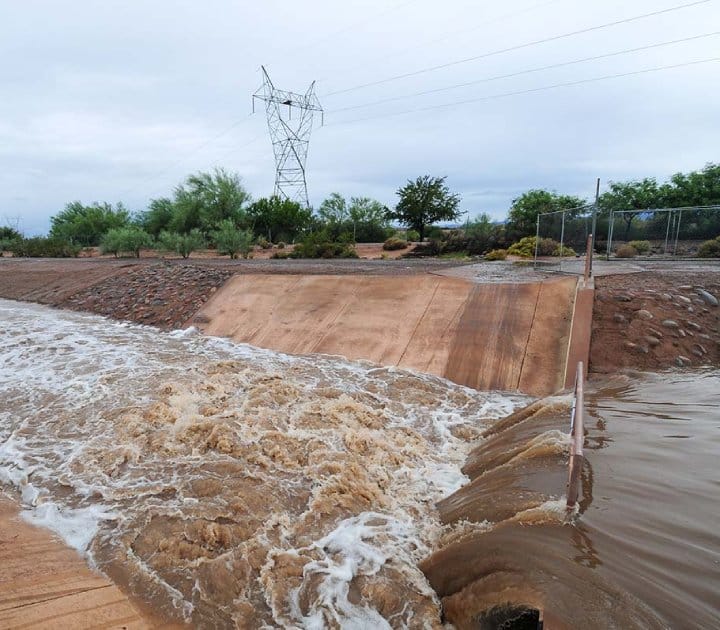
Standard Biocarbon cares about what happens at the culvert, outfall, or basin—not just in the lab beaker. Biocarbon is produced to support real‑world treatment goals around dissolved metals, nutrients, oils, and solids, while handling the flows that come with design storms and industrial drainage.

Stormwater and Urban Runoff

Urban runoff carries a mix of fine particles, dissolved metals, nutrients, and hydrocarbons. Conventional systems often remove sediment while leaving dissolved copper and zinc largely untouched.

Wood‑derived biocarbon adds a second line of defense. Its surface area and functional chemistry support removal of dissolved and total metals well above what sand‑based systems typically achieve, while also helping with phosphorus, nitrogen, oils, and suspended solids. Because the media stays porous, it can be placed in new or retrofit systems without turning them into bottlenecks.

For municipal stormwater programs, that makes biochar a way to tighten performance around specific pollutants that drive permits and TMDLs, using infrastructure forms—socks, basins, swales—that are already familiar.

Filter Socks and Berms

Filter socks are often the first thing on site and the last thing to leave. They sit in front of inlets, along slopes, and at the toes of stockpiles, catching what runoff carries with it.

When those socks are filled with stormwater‑grade wood biochar, they do more than strain out sediment. The media’s vascular pore network moves water while creating contact with carbon surfaces that remove dissolved copper, zinc, and other priority metals. Alkaline buffering helps shift conditions so metals precipitate or bind rather than passing through.

Because the biocarbon is produced from hardwoods and softwoods at 500–650 °C in continuous auger systems, it maintains structure through wetting and drying cycles. That extends effective life compared to some compost‑based socks and reduces the risk of sudden performance loss during a heavy storm.

Bioretention, Infiltration, and Media Blends

Bioretention cells and infiltration systems are often limited by space. Meeting dissolved metals targets can require large footprints when media is based on sand and compost alone.

Biochar‑based blends can raise removal efficiency per unit volume. In media with specific surface area in the 200–400 m²/g range and balanced pore structure, much more of the profile is actively involved in sorption. That allows designers to consider smaller footprints for the same treatment goals, or to get more out of existing basins and swales without major reconstruction.

In these systems, biochar behaves as a long‑lived component. High fixed‑carbon content resists biological breakdown and keeps pore architecture and surface sites available over years, not just a season or two.

Industrial Facilities and Space‑Limited Sites

Industrial sites, ports, and refineries often have tight footprints and strict discharge limits for metals and other pollutants. Treatment has to fit in short pipe runs, limited easements, or existing vaults.

Biochar‑based media can be packed into modular cartridges, vault inserts, or compact bioreactors where high specific surface area and targeted chemistry matter more than bulk volume. The wood‑derived matrix helps keep pressure drop manageable while still providing enough contact time for removal.

For operators, this offers an alternative to purely synthetic sorbents and some high‑cost media. The carbon story improves, and the cost per unit mass of dissolved metal removed can compare favorably when service life and disposal pathways are taken into account.

Modified Biochars and Composite Media

Some projects call for performance beyond what untreated wood biochar can deliver on its own. In those cases, modified or composite media become useful.

Iron-doped biochars combine carbon sorption with iron-driven redox chemistry. Advanced oxidation pathways can be part of the mechanism. These materials are often selected for certain organic pollutants and dyes. They can be used in layered media designs. Mixed formulations work too.

Composite blends pair hardwood biochar with other media. Activated ceramic is one option. Slag aggregate can be used. Plant fibers show up in some designs. Recycled activated carbon is also used in blends.

These combinations are used to tune flow rate and metals removal. Nutrient behavior can be addressed at the same time. Mechanical stability still matters.

Biochar remains the backbone. It provides the carbon structure. A large fraction of the active surface area comes from that base.

Filtration Applications

Filter Socks and Perimeter Controls

Filter Socks and Perimeter Controls

Biochar-filled socks and berms are used around inlets, along slopes, and at site boundaries. Mobility matters here. Quick deployment matters too. Dissolved metal removal is part of the job, not just sediment control. Lightweight and effective, biochar is a quick solution.

Bioretention and Infiltration Media

Bioretention and Infiltration Media

Biochar-enhanced media is used in rain gardens and bioretention cells. Infiltration basins and swales use it as well. Nutrient and dissolved metals removal while staying within the confines of a given site can be challenging, and biochar fills those spaces effectively.
Vaults, Cartridges, and Retrofits

Vaults, Cartridges, and Retrofits

Media can be specified for vault inserts and cartridge systems. Retrofit devices in constrained sites rely on contact efficiency. Biochar makes headloss manageable.
Industrial and Transportation Corridors

Industrial and Transportation Corridors

Filter media is used in industrial yards and terminals. Highways and rail corridors have similar drivers. Dissolved copper and zinc are common targets, in addition to mixed pollutants. Regulations surround these operations on how these sites need to be managed, and biochar fills many of those.

Frequently Asked Questions

What makes this biochar different from generic biochar for soils?

Generic biochar can come from many feedstocks and reactor types, with properties that vary widely. For filtration, Standard Biocarbon confines production to hardwood and softwood feedstocks run in continuous auger systems at 500 °C or higher, which produces a more predictable pore structure, carbon content, and surface chemistry.

Those parameters are then measured and held inside target ranges so the media will behave consistently in socks, basins, and composite blends, rather than changing from one batch to the next.

Which contaminants can wood-derived biochar help remove?

Stormwater-grade wood biochar is often used where dissolved metals are highly concentrated, especially elements like copper and zinc..

Phosphorus and nitrogen may also attenuate in certain systems. Other long chain compounds like oils and grease can be captured, and fine suspended solids can be reduced.

Removal profiles vary by media blend and by site. Flow conditions and system design are key factors in performance. Lab work and pilot trials are still the right step before full-scale deployment.

How does hydraulic performance compare to sand or compost?

Properly engineered wood biochar maintains a vascular pore network. That structure supports realistic stormwater flow rates.

Surface area and pore-size distribution are tuned for filtration, making high contaminant removal possible without turning the system into a bottleneck.

Socks and bioretention mixes can behave like treatment devices, not barriers. Hydraulic performance can stay comparable while dissolved metal removal improves.

How does biochar stack up against activated carbon on cost and performance?

Activated carbon can perform well on certain contaminants. Cost is often the tradeoff. Production of GAC is energy-intensive and often not eco-friendly.

Wood-derived biochar is a preferred material for many stormwater use cases when economics are considered as a whole. It retains dissolved metals at a lower unit cost while remaining viable for years, even decades.

Additionally, since wood-derived biochar is created using biomass in a process that is less energy demanding, projects that are conscious of their carbon footprint can rely on a highly sustainable product source.

What specifications matter when selecting biochar for filtration?

For the filtration uses described in the white paper, the important specs include fixed carbon content (typically above 80% for stormwater media), specific surface area in a range that balances capacity and flow, pore structure with both transport and sorption pores, pH in an alkaline but usable range, and hydraulic conductivity appropriate to the system type.

Standard Biocarbon works with partners to translate those technical ranges into practical spec sheets for filter socks, bioretention media, and other systems.

Where does this biochar fit in a filtration or stormwater program?

Biochar‑based media can be used as a front‑end measure in socks and berms, as a core component in bioretention and infiltration systems, or as a retrofit inside existing structures like vaults and cartridge housings.

The best placement depends on the pollutant profile, available space, and budget. Many programs start with one application—often socks or a pilot bioretention cell—then expand as data and comfort with the media grow.

Built for Filtration. Produced with Intent.

Stormwater and filtration systems fail quietly at first. A media that compacts, clogs, or underperforms on dissolved metals may look fine from the surface while water quality targets start slipping.

Standard Biocarbon designs biochar specifically for filtration, within a clearly defined envelope: hardwood and softwood feedstocks, continuous auger pyrolysis at 500 °C and above, and property ranges proven in lab and field work for stormwater and mixed‑pollutant applications. The result is a media you can treat as a specified component rather than a generic carbon product.

Production is set up for repeatability. That supports standard grades for filter socks, bioretention blends, and composite industrial media, as well as co‑development pathways for projects that need modified or doped carbons. The goal is simple: filtration performance you can defend in a design report and depend on in the field.

A close-up of water moving through a shallow rocky channel. Biochar can be layered into filtration trenches or reactive media beds to support pollutant capture.

Ready to evaluate biochar for filtration? Click here to start the conversation

Partner With Standard Biocarbon

Filtration and stormwater programs are built around specific numbers: target metals, nutrients, flow rates, and budgets. Standard Biocarbon works with engineers, operators, and regulators to match biochar media to those requirements, from early testing through full‑scale deployment.

If you are considering biochar for filter socks, bioretention systems, industrial drainage, or other filtration uses, the next step is a working session. We can review pollutant profiles, hydraulic constraints, and cost targets, then outline how biochar might fit into your overall treatment strategy.

Name