Our Biochar

Home / Our Biochar

About Our Biochar

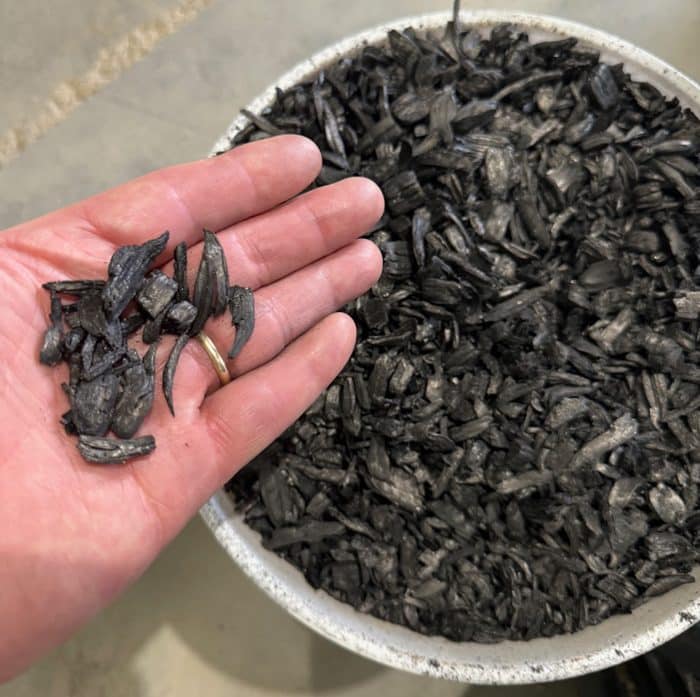
Our biochar sits at the center of everything Standard Biocarbon makes. It starts as clean wood residuals from Maine sawmills and becomes a stable, highly porous carbon material that improves soils, filters water, and moves into advanced applications.

Standard Biocarbon treats biochar as an engineered product, not a by‑product. We control feedstock, process conditions, and grading so the same platform can support agriculture, animal systems, landscaping, turf, remediation, filtration, advanced materials, and research with predictable performance.

  • Agriculture

    Biochar blends into field and specialty crop systems to improve structure, hold moisture, and support a more active soil biome. It helps keep nutrients in the root zone and contributes to long‑lived soil carbon.

  • Landscaping & Tree Services

    Landscapers, nurseries, and arborists use biochar to support root development, soil structure, and moisture management. It helps high‑value trees and plantings perform more reliably in compacted, disturbed, or urban soils.

  • Environmental Remediation

    Biochar’s surface area and functional chemistry make it useful in remediation projects. When incorporated into a broader remedial design, it can help immobilize metals, interact with certain organics, and improve treatment zones in soils and sediments.

  • Advanced Materials

    At higher temperatures and with additional processing, biochar becomes a platform for hard carbons, graphitic carbons, and activated carbons. These materials are being developed for batteries, supercapacitors, composites, pigments, and building products.

  • Animal Agriculture

    In barns and livestock systems, biochar can be used in bedding and litter programs and, where appropriate, in feed strategies developed with animal nutrition experts. The focus is steadier barn conditions, better nutrient handling, and lower emissions.

  • Engineered Turf

    In sand‑based sports and golf turf systems, biochar is specified as part of the rootzone mix. It adds durable pore space, buffers moisture, and supports biological activity without compromising drainage or playability.

  • Filtration

    As a filtration media, wood‑derived biochar targets dissolved metals and mixed pollutants in stormwater and other water streams. It is used in filter socks, bioretention blends, and composite media where removal performance and hydraulic throughput both matter.

  • Research and Innovation

    Standard Biocarbon supplies consistent, well‑characterized biochar to universities, labs, and product developers. Defined grades and repeatable properties make it easier to compare results, scale promising ideas, and explore new applications.
What Makes Our Biochar Different

Source‑Verified Maine Wood

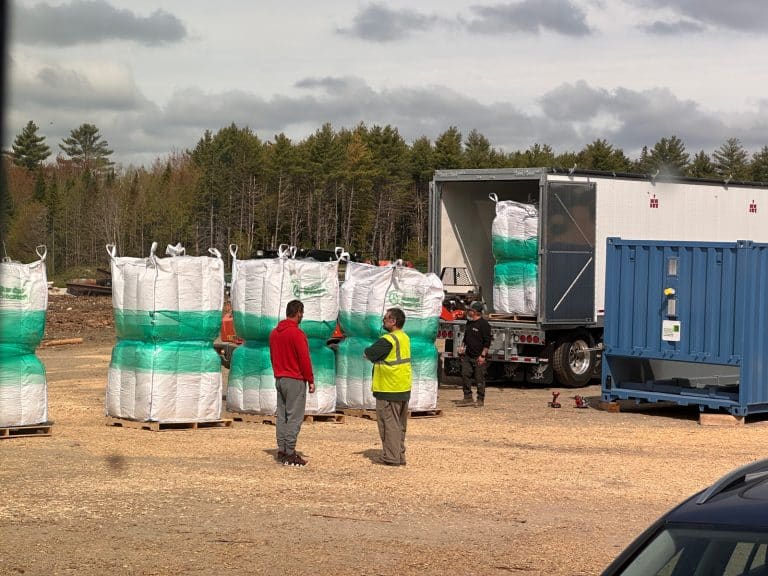
Our biochar begins with softwood and hardwood residuals from working forests in Maine. We partner with established sawmills so feedstock streams are traceable, clean, and consistent over time rather than opportunistic.

Engineered, Not Opportunistic

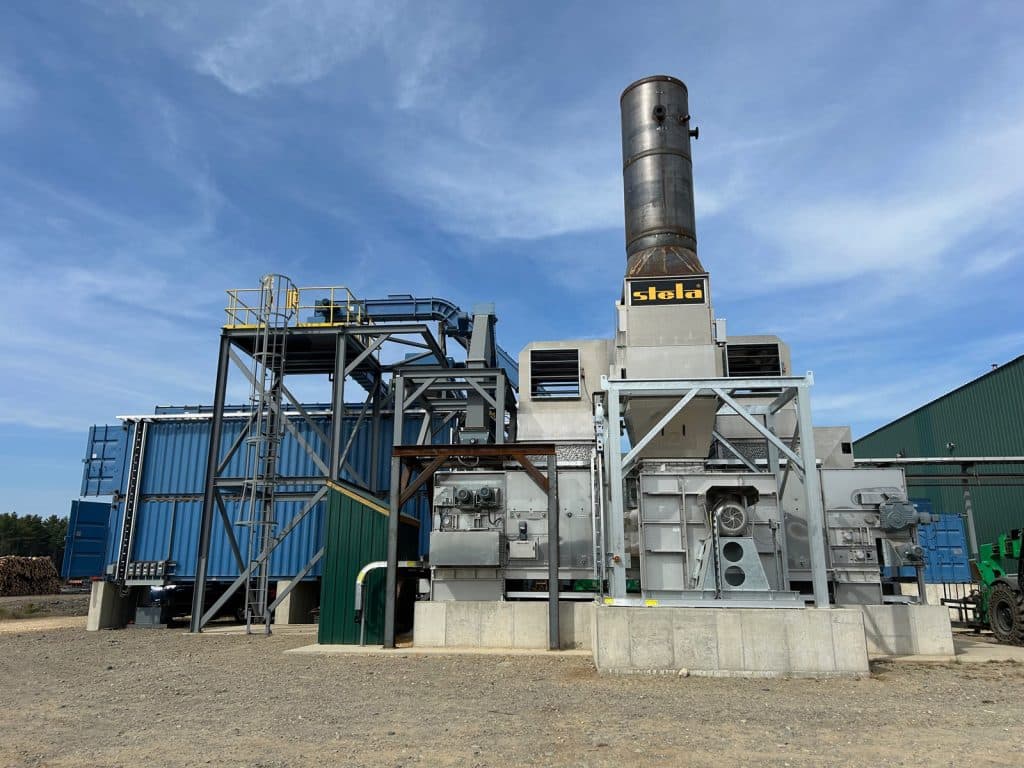
We run continuous, high‑temperature pyrolysis designed specifically for wood, with controlled residence time, atmosphere, and temperature. That lets us aim for defined ranges of carbon content, ash, pH, surface area, and particle size instead of accepting whatever comes from mixed, batch systems.

High Carbon, Low Ash, Controlled Particles

Lab work on our production shows the profile advanced users expect: high organic carbon content, very low ash, and a mildly alkaline pH. Fines are managed so most of the material sits in a stable, easy‑to‑handle size range that behaves well in blends and engineered systems.

Specification‑Driven Grades

We do not treat biochar as a single product. The same manufacturing platform supports different grades tuned for soils, filtration, and advanced materials. Particle size, surface area, pore structure, and purity are adjusted to match how the biochar will actually be used.

Repeatable Quality and Testing

Standard Biocarbon sends regular samples to accredited labs to confirm that production stays inside defined windows. We maintain test data on carbon content, ash, pH, and particle distribution, and can provide analysis to customers who need a direct link between media properties and system performance.

Built for Integration

Our biochar is developed to fit into existing workflows: soil mixes and compost streams, turf and sports rootzones, filter socks and media beds, and materials R&D. The goal is to improve how those systems behave without forcing a complete redesign of equipment or practice.

Industrial Scale with a Real Partner

Production is co‑located with a Maine sawmill, using residual wood that once had limited markets. That setup supports industrial‑scale throughput, reliable feedstock, and tight control over moisture and sizing going into the reactors, which in turn supports consistent biochar coming out.

Engineered Biochar Products for Every Application

Consistent, tested, and verified — purpose‑made carbon for soil and industry.

Our Biochar

Pure, high‑carbon material made from Maine forest residuals and Pyreg technology.

Bulk Biochar

Delivered in large‑volume packaging for soil companies, composters, and municipalities.

Inoculated Biochar

Pre‑charged with compost for immediate biological activity and plant benefit

Technical Info

Datasheets, OMRI listings, and detailed specifications for professional use.

Ready to explore biochar-derived carbon materials? Click here to start the conversation

Why Standard Biocarbon

Standard Biocarbon sits at the overlap of forest products, manufacturing, and applied carbon science. The company is built around a simple idea: if biochar is going to carry real jobs in soils, filtration, and materials, it has to be made and supplied like an industrial input, not a one‑off amendment.

Co‑location with a Maine sawmill gives us steady access to clean residual wood and a reason to keep quality high for the long term. Continuous, specification‑driven production means customers know what they are getting from one order to the next, whether they are blending soil, filling a filter sock, or running lab work on a new carbon application.

We also expect these projects to be collaborative. Most of our work starts with a practical question—what needs to change in a field, facility, or product line—and moves forward through testing, adjustment, and clear communication. That mix of regional roots, industrial discipline, and willingness to work alongside customers is what defines Standard Biocarbon as much as the biochar itself.

Ready to talk Inoculated Biochar?

Biochar works best when it is matched to a specific job. Standard Biocarbon works with customers and partners to choose the right grade, blend, or pilot approach for their soils, water, or materials work.

If you are exploring biochar for any of the use cases on this page, the next step is a conversation about the system you are trying to change—and how our biochar can help.

Name